
How to Dry Wet Carpet: A Step-by-Step Guide for Aussie Homes
This article is for general information only and isn't specific advice. Every water-damage situation is different — for your circumstances, seek professional guidance.
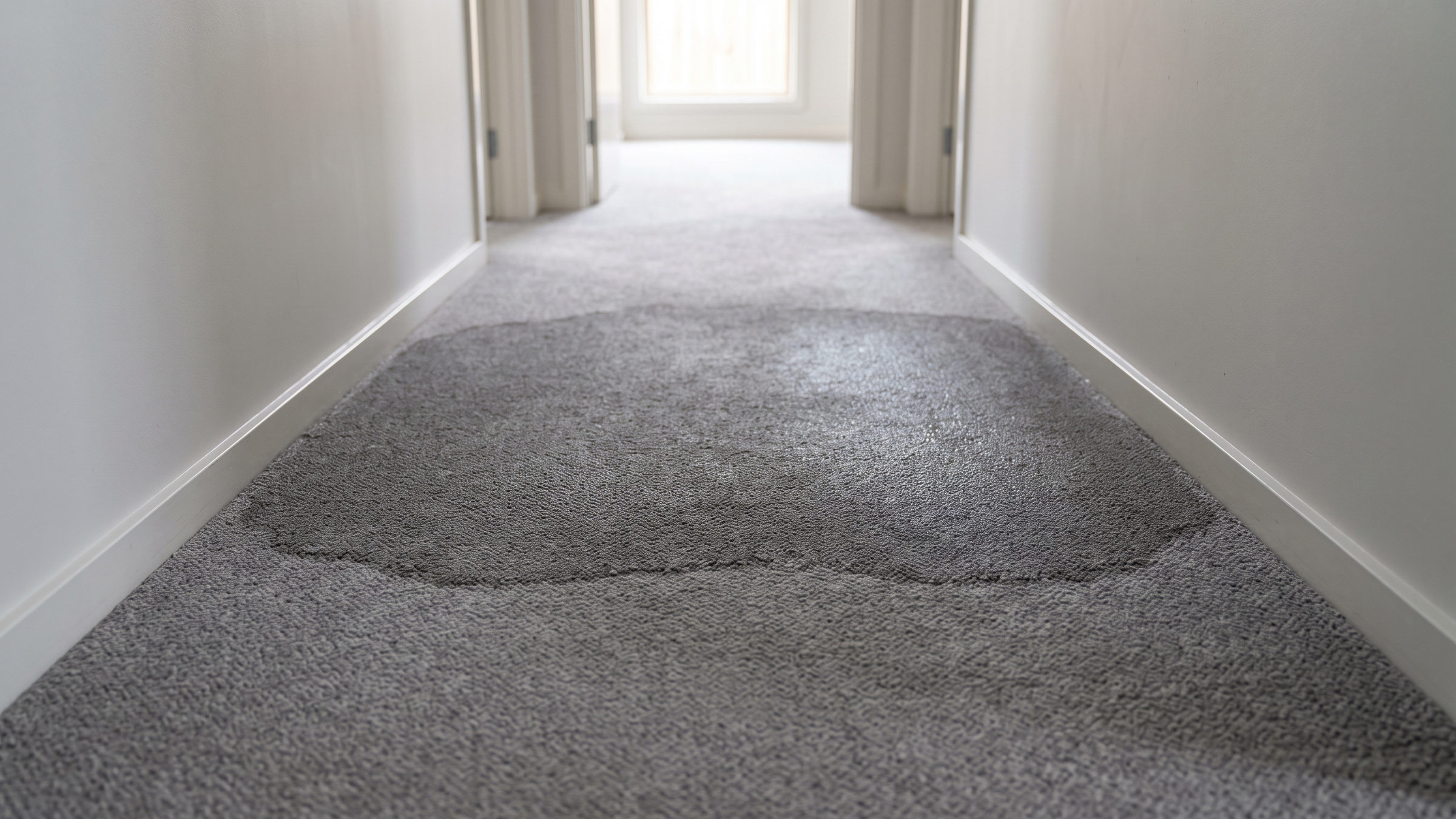
You've come home to a soaked carpet — a burst flexi-hose under the sink, an overflowing washing machine, or rain that found its way in. The good news: if you move quickly, there's a real chance of saving it. Here's how to dry a wet carpet properly, and how to tell when it's a job for proper drying gear.
Move fast — the first hours count
Water spreads from the carpet into the underlay and the subfloor within hours, so the sooner you start, the better your odds. Do two things first. If the water's still coming, a licensed plumber can shut off the source. Then lift anything sitting on the wet carpet: furniture legs leave stains, and boxes and books wick water straight up. Mind electrical safety before you go near wet floors — if power points or cords are involved, keep clear and have a licensed electrician make it safe.
Get the water out before you try to dry
You can't dry a carpet that's still holding water. Before any fans go on, pull out as much as you can. A wet-and-dry vacuum — not your regular vacuum — is the tool for this. Work in slow, overlapping passes, and keep going long after you think you're done; the underlay holds far more water than the surface lets on. The rule the pros use is simple: extract first, dry second.
Then get air moving
Once the standing water's gone, drying is about airflow and humidity. Set fans to push air across the surface of the carpet and run them continuously. If it's warm and dry outside, open the windows to let moisture escape. If it's humid — common here in Sydney's wetter months — you're better off closing up and running a dehumidifier, because open windows just let damp air back in. Getting air under a lifted carpet edge helps too, but go gently so you don't stretch or tear it.
The part a DIY dry usually can't reach
Here's the honest bit. Fans dry the surface, but the water that causes lasting trouble — odour and lifting backing — sits deep in the underlay and subfloor. A household setup rarely shifts bound water held inside the materials, and it can't tell you when you're genuinely dry. Timber, gyprock and concrete slabs all hold moisture long after the carpet feels dry to the touch.
How to know it's actually dry
Carpet that feels dry on top can still be wet underneath. Professionals confirm it with moisture meters, drying back to the home's normal dry standard and documenting it — not going by feel. If the soak was more than a small spill, if the underlay stayed wet for over a day, or if there's a smell, that's your sign it's past a DIY dry and needs air movers and dehumidifiers run until the readings are met. For how long proper drying realistically takes, see our guide to wet carpet drying.
If the water's gone deeper than a quick vacuum-and-fan can handle, drySafe can get proper drying gear onto it. We're fully self-serve — your address brings up an instant quote, and you book online from there.
Book online